
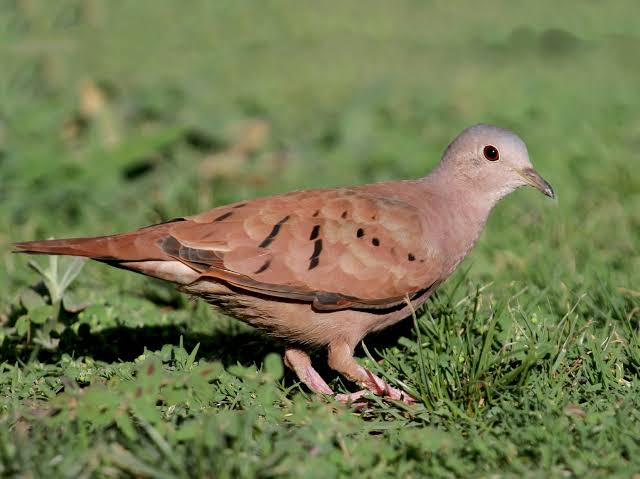
Bird ID apps have improved dramatically in the last few years. AI-powered sound recognition now identifies species from a recording made on your phone, and image recognition can identify birds from a quick photo. They are not perfect, but the best apps get it right often enough to be genuinely useful in the field, especially for species you are unfamiliar with.
Here is how the major apps compare for practical birding use.
Merlin Bird ID (Free, Cornell Lab of Ornithology)
Merlin is the app most birders recommend first, and for good reason.
It is completely free, ad-free, and backed by the massive eBird database and Cornell Lab research.
- Sound ID: Open the Sound ID feature, hold up your phone, and Merlin identifies birds singing in real time with a scrolling spectrogram display. It highlights the species name as each bird vocalizes. Accuracy is impressive in quiet settings with common species (80 to 90% in my experience) and drops somewhat in noisy environments or with rare species.
- Photo ID: Snap a photo of a bird and Merlin suggests likely species based on your location, date, and the image.
It works best with clear, well-lit photos. Blurry or distant shots produce less reliable results.
- Step-by-step ID: Answer five questions (location, date, size, main colors, behavior) and Merlin narrows down possibilities. This is useful when you saw a bird but could not get a photo or recording.
- Offline packs: Download regional bird packs for offline use, including sounds, photos, and range maps.
Essential for birding in areas without cell service.
- Limitation: Merlin covers common and moderately uncommon species well but may struggle with rarities or birds outside their typical range.
eBird (Free, Cornell Lab of Ornithology)
eBird is not strictly an ID app, but it is the most valuable tool in a birder toolkit. It is a global database of bird sightings contributed by millions of observers.
- Explore nearby: See which species have been reported near your location recently. If someone spotted a rare bird at a local park this morning, it shows up in eBird. This is how many birders find unusual species.
- Hotspot maps: Find the best birding locations near you ranked by species diversity and recent activity. Each hotspot has a list of species recorded there, with bar charts showing likelihood by month.
- Personal lists: Track your life list, year list, and county lists automatically when you submit checklists. The gamification aspect (county completions, monthly totals) keeps birding addictive.
- Integration with Merlin: The two apps sync seamlessly. Species you identify in Merlin can be added to eBird checklists.
Audubon Bird Guide (Free)
The National Audubon Society app provides a solid field guide experience on your phone.
- Species accounts: Detailed descriptions, multiple photos per species (including different plumages, ages, and sexes), range maps, and sound recordings for over 800 North American species.
- Nearby sightings: Similar to eBird but drawing from a different (smaller) data set.
Useful as a secondary source when eBird seems incomplete for an area.
- ID by appearance: Filter birds by size, color, habitat, and wing shape to narrow down possibilities. The interface is cleaner and more visually focused than Merlin is guide mode.
- Limitation: No AI-powered sound or photo ID. This is a traditional reference guide in app form rather than an automated identification tool.
BirdNET (Free, Cornell Lab and Chemnitz University)
BirdNET focuses exclusively on sound identification, and it does it well.
Record a bird singing, and BirdNET analyzes the audio and returns a list of likely species with confidence scores.
- Recording analysis: Record up to 3 minutes of audio and BirdNET identifies all species detected. It handles overlapping songs from multiple birds better than Merlin in some situations.
- Spectrogram view: Visual display of the audio lets you see where different vocalizations occur in the recording, which helps with learning to read spectrograms.
- Offline mode: Works without an internet connection after downloading the species database.
- Limitation: No photo ID or field guide features.
This is a single-purpose tool for sound identification.
Picture Bird ($30/year or $3/week)
Picture Bird focuses on photo ID using AI. Point your camera at a bird, snap a photo, and it identifies the species. The AI model is well-trained on North American and European species.
- Photo ID accuracy: In good lighting with a clear subject, accuracy is comparable to Merlin. It performs better than Merlin on some perched birds where details are visible.
- Species info: Detailed species accounts with sounds, range info, and descriptions.
- Limitation: It is a paid app. The free tier limits the number of IDs per day. The subscription unlocks unlimited IDs and additional features, but the cost is hard to justify when Merlin does most of the same things for free.
My Recommendation
Install Merlin and eBird. They are both free, they work together, and they cover 95% of what most birders need for identification and record-keeping. Add BirdNET if you want a dedicated sound ID tool as a second opinion. The Audubon app is a good supplementary field guide if you prefer its interface for browsing species accounts.
One important caveat: no app replaces the process of learning birds through direct observation and study. Apps are confirmation tools, not substitutes for developing your own identification skills. The most rewarding part of birding is recognizing a species by its song, flight pattern, or silhouette before reaching for your phone.